Filling the Space
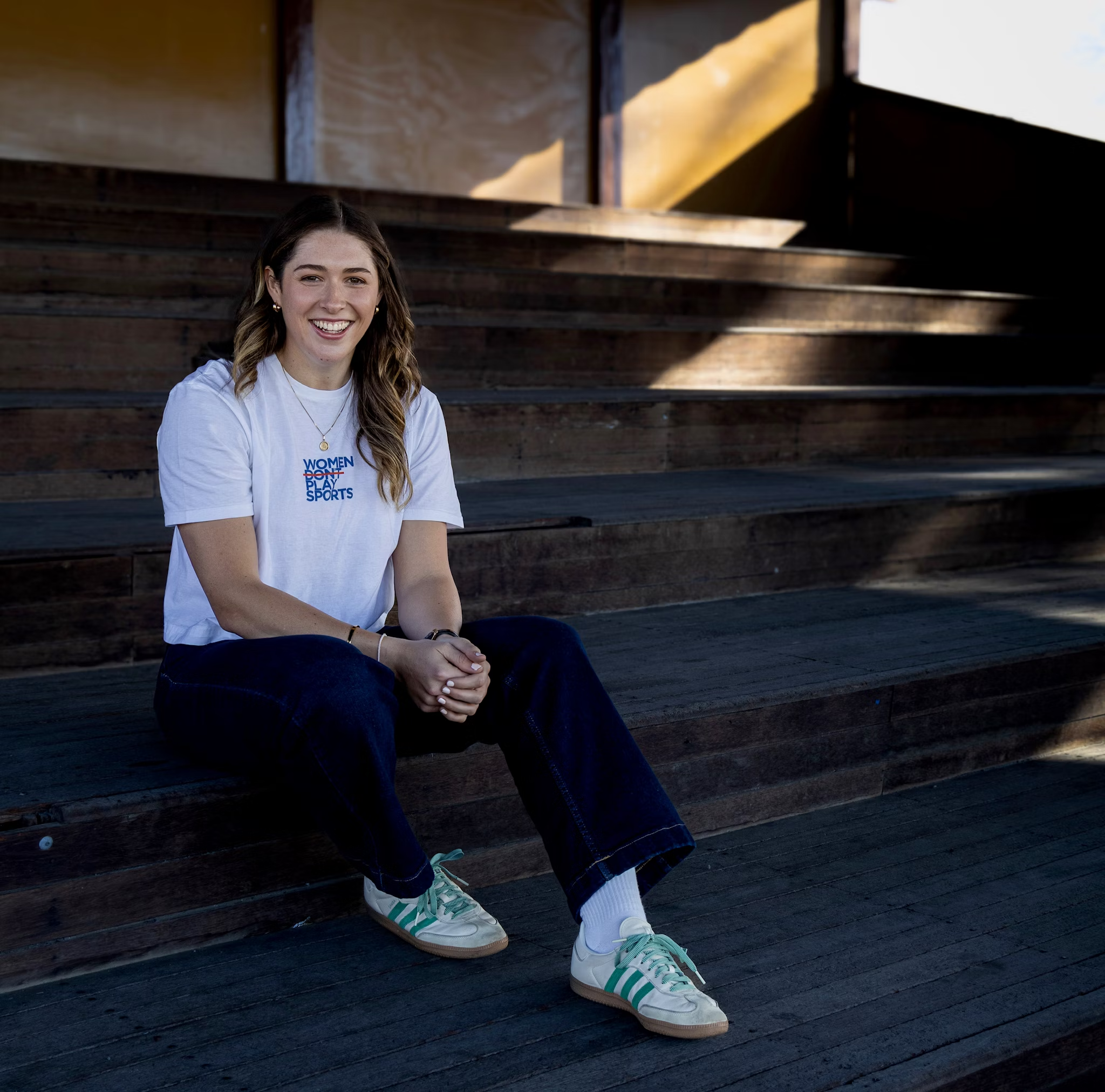
Imogen Rice is 22 and already juggles more than most of us manage in a lifetime. She's a university student studying Occupational Therapy and Italian, she competes on the Australian Fencing team, she works casually in healthcare and she's the Queensland Inclusion coach for fencing. Running through every one of those roles is the same thread: helping others grow, and clearing as many barriers out of their way as she can.
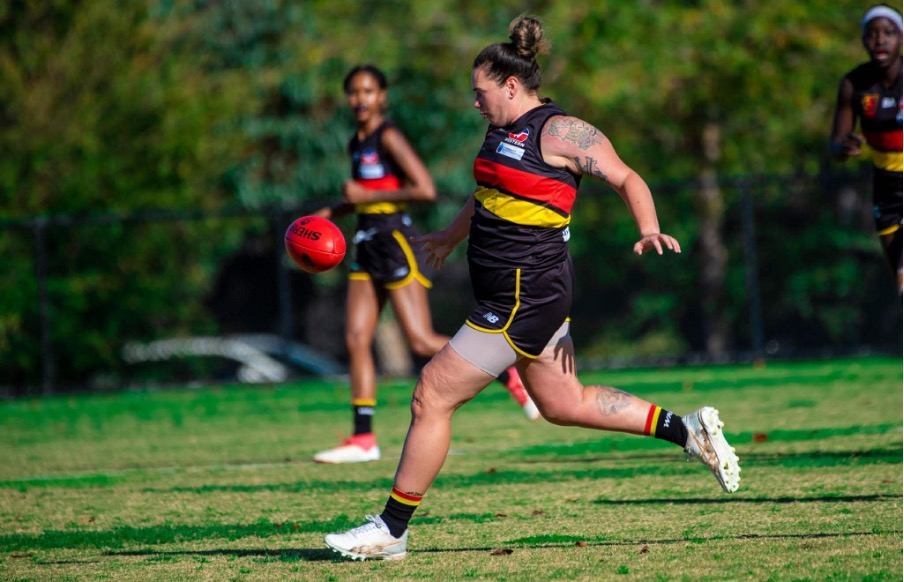
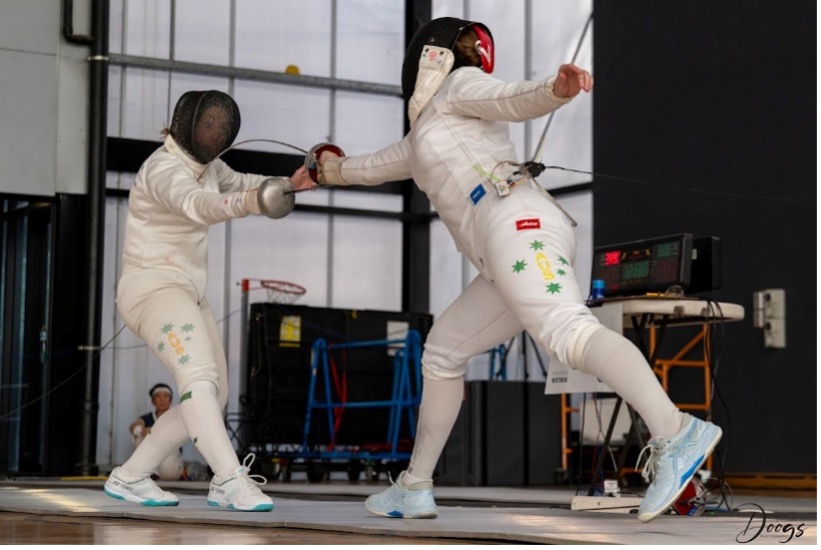
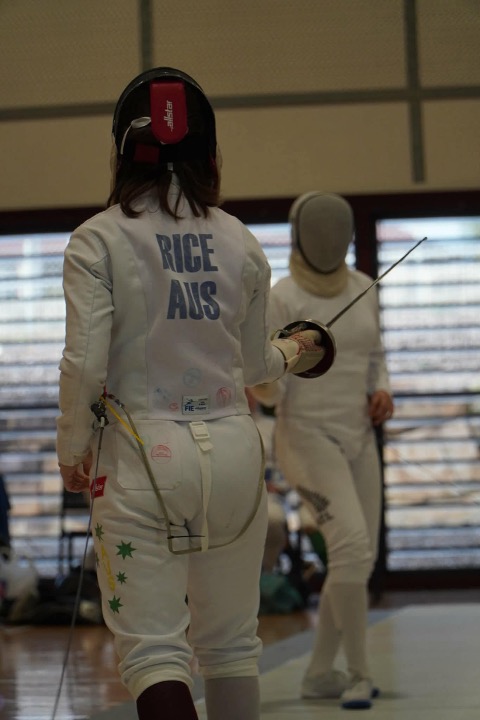
Growing up, Imogen gave just about everything a go, from swimming and tennis to netball, soccer, gymnastics and athletics. "Fencing is always what I came back to," she says. She picked it up in 2014, started coaching in 2019 and was refereeing at a national level by 2022.
For Imogen, sport has always been about so much more than results."Sport to me has always been an avenue for safety, understanding and vulnerability," she explains. "It's a place where I can see progression, enjoyment and true friendship."
One moment at a national training camp at the Australian Institute of Sport says a lot about who she is. Still recovering from an injury and feeling flustered, she made a point of bringing all the girls together and pulling the younger under 15s into conversations and games. On the last day, one little girl's parents asked for photos with Imogen and thanked her. Their daughter had been nervous about coming, didn't know anyone and found "the big tall men" pretty scary, but with Imogen she felt safe and couldn't wait to get to training each day. "I have always kept that," Imogen says. "It made my week."
That instinct to make people feel welcome has shaped her leadership from the very start. At just 18, Imogen owned a fencing club on Brisbane's north side, where she was also head coach, running private and group lessons multiple times a week. She ran it until she was 22. "I always wanted the room to feel fun and inviting," she says, "and I loved interacting with all the athletes and their families."
At 20, Queensland Fencing appointed her as its Inclusion coach, and she got straight to work. She ran lunches to bring women in the sport together, gave private lessons, built subsidies for female athletes and used grant funds to buy gear for young women, sharing it with clubs right across the state. She then started the Queensland para fencing program, and working closely with Australian and New South Wales Fencing, helped bring the first Australian Parafencing National Showcase to life. One of her Queensland athletes came home with bronze.
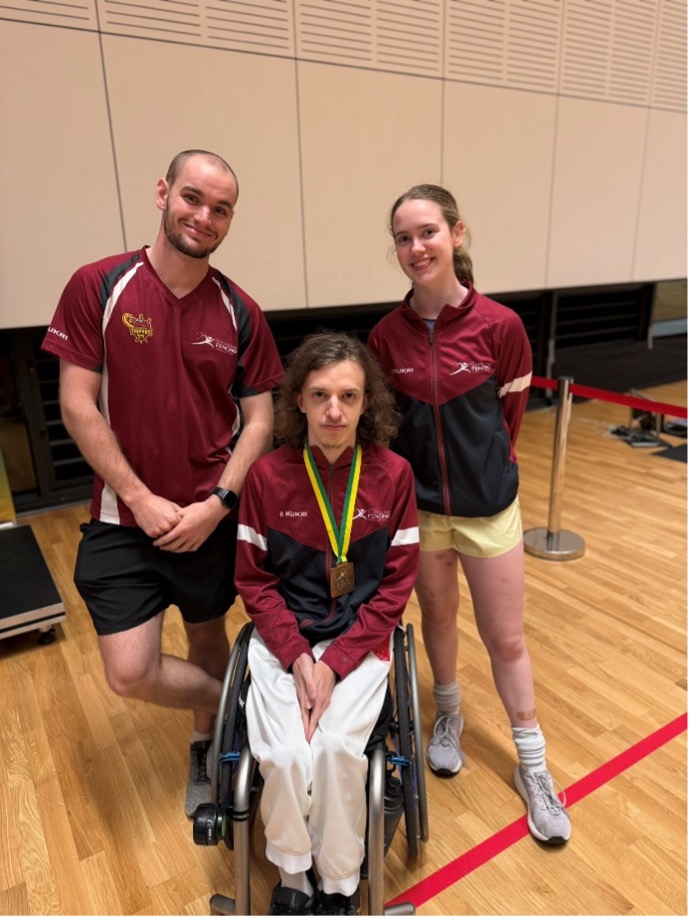
"My role in Queensland Fencing is one of the most rewarding positions I have ever held," Imogen says. "I get to see everyone in the state grow and become the best version of them." She's now building the para fencing program towards the Brisbane 2032 Paralympics, while also focusing on female representation and LGBTQIA+ inclusion and visibility in the sport.
Leading so young came with its own challenges, though. "Stepping into a leadership position as a club owner at such a young age can be very tricky to know what you're missing," she says. As Queensland's only female state coach, and once its only female club leader, Imogen rarely had other women in the room to learn from. That's what drew her to Empowered to Lead. She wanted to be surrounded by women in similar situations, to "see how they do it and what works for them and see what a woman in leadership can look like in different settings."
She went in with few expectations, hoping to understand that leadershipisn't one fixed image. "The course wildly exceeded my expectations," she says. One of the biggest shifts was seeing her own strengths in a new light. "I hadn't put much thought before into how my strengths of humour, perspective and kindness can be transferred into different leadership roles," she reflects, and she loved hearing how others used their very different strengths to reach similar outcomes.
The Victress boards in the final week were her standout. "I think ending the program on such a high was so powerful and being able to see everyone's stories, where they want to go from here and how far they have come is so beautiful," she says. The connection came quickly, too. "By week 2 everyone was ready to jump in and share thoughts and opinions which speaks volumes to the leadership of Holly and how she is able to create such a safe space so quickly."
Imogen left the program with more confidence and a clearer picture of how teams come together. Learning about the storming phase was a turning point. "The storming phase I think is something that everyone dreads and stresses about but the course normalised the entire process with reasoning behind it," she explains, "taking away elements of fear or anxiety that often loom over it all."
She's also taken the idea of above and below the line thinking into her everyday life. "I ask myself multiple times throughout the day where I am," she says. "I have become so much more aware of my own mental space and thus my own capacity because I know what I can handle and where my mind is." And if she catches herself sitting too far below the line, she believes in taking the day back.
The lessons she learned through sport flow into everything else she does. "I can't see a life of studying without the discipline I've learned through sport," she says. "I can't imagine myself working without the persistence and troubleshooting I've learned through sport."
Looking ahead, Imogen has a clear dream: that women's sport is"fuelled and funded" for girls aged 12 to 18. With almost half of girls quitting sport by 14, she wants to see a serious focus on keeping them in the game through puberty and beyond high school, so they can keep reaching their full potential, unapologetically. She sees that as the path to more women's teams, more women in leadership and so much more. "I firmly believe that a woman in sport is a woman who can do anything she sets her mind to."
For her, what's next is plenty. She'll keep training and competing at home and overseas, "showing the younger girls what is possible in hopes they go even further." She'll keep growing para fencing at a state and national level, and keep building the community of women in Queensland fencing she's spent years bringing together, because she wholeheartedly believes that we rise by lifting others.
She also lives by a simple idea: you're only ever competing against your past self. "If I was the only girl in the room yesterday, getting beaten by all the boys and out muscled and barely scoring any points but I don't show up today, yesterday me wins."
So what does it mean to Play Like a Girl? For Imogen, the answer is big, bold and joyful. "To play like a girl is to fill the space," she says. "To fight hard, be brave, push further than you did yesterday, be strong, fast, muscular, powerful, all while wearing a ribbon in your hair if you want to."
That's exactly the kind of leader the next generation needs to see. Imogen is filling the space, and making sure every girl who walks in after her knows there's room for her too.