
We love to shine a light on our amazing members and the stories that shape their journey in sport and leadership.
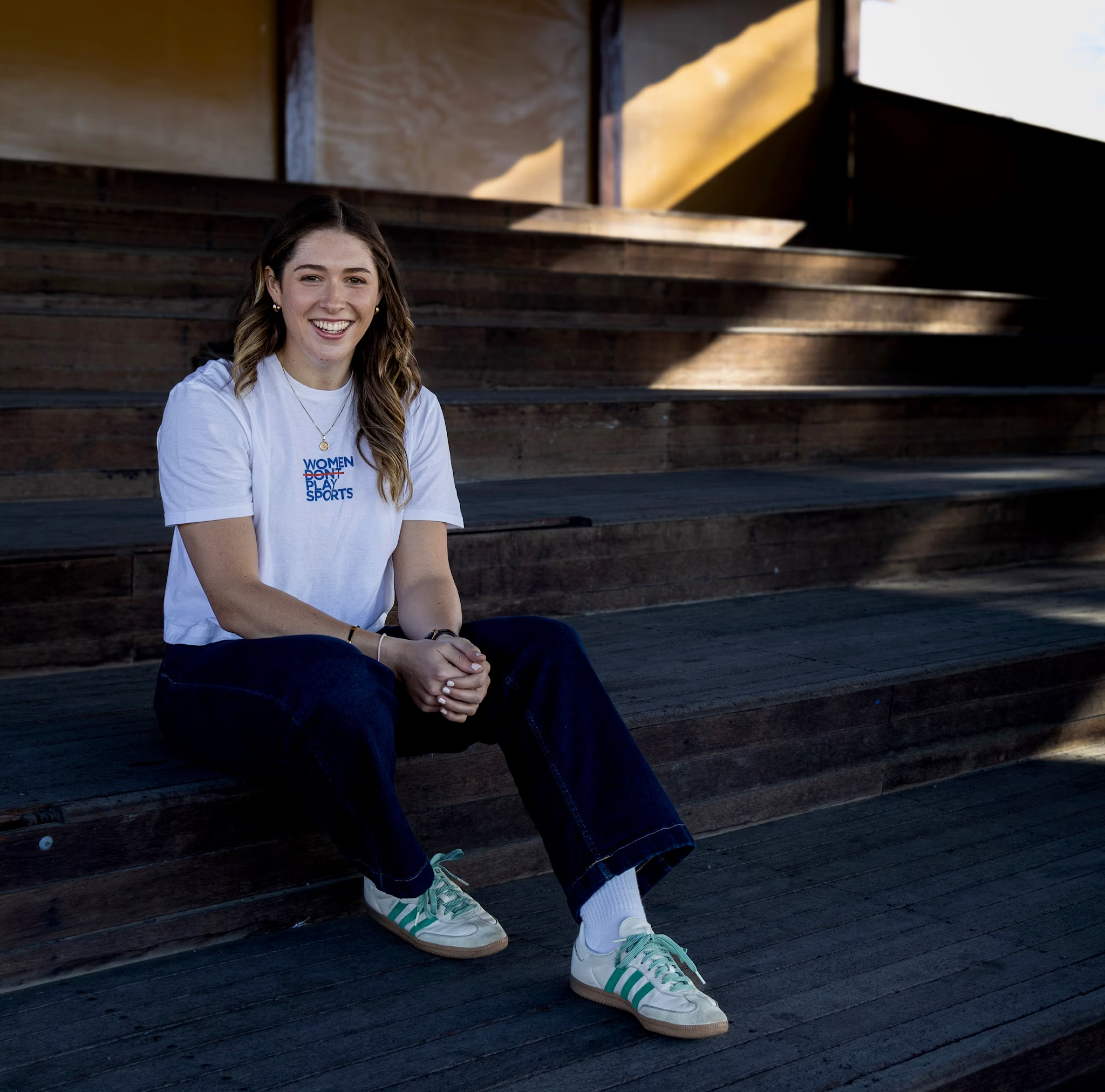
In this article, we sat down with Carly Salmon to learn more about her journey, her leadership, and her experience in the Empowered to Lead program.
Can you tell us a little about yourself and your involvement in sport?
I was diagnosed with cerebral palsy at 18 months old and grew up in a really active family, so I was always determined to keep up. I found athletics when I was about 8 years old, and it was the first time I had the opportunity to compete alongside other athletes with a disability, which was a pretty defining moment for me.
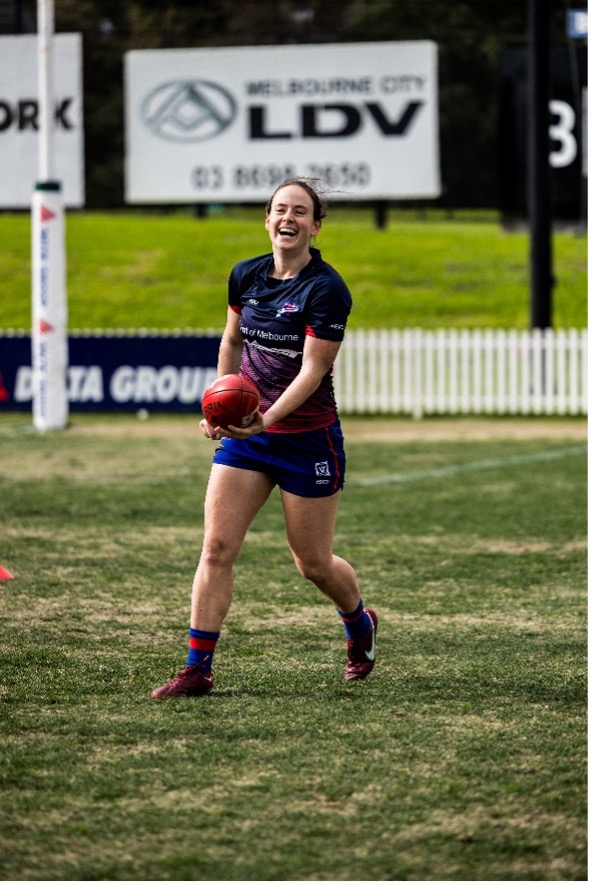
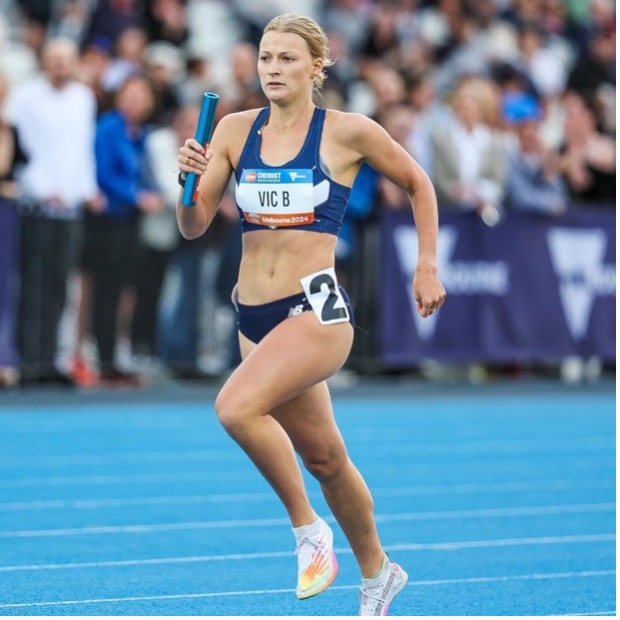
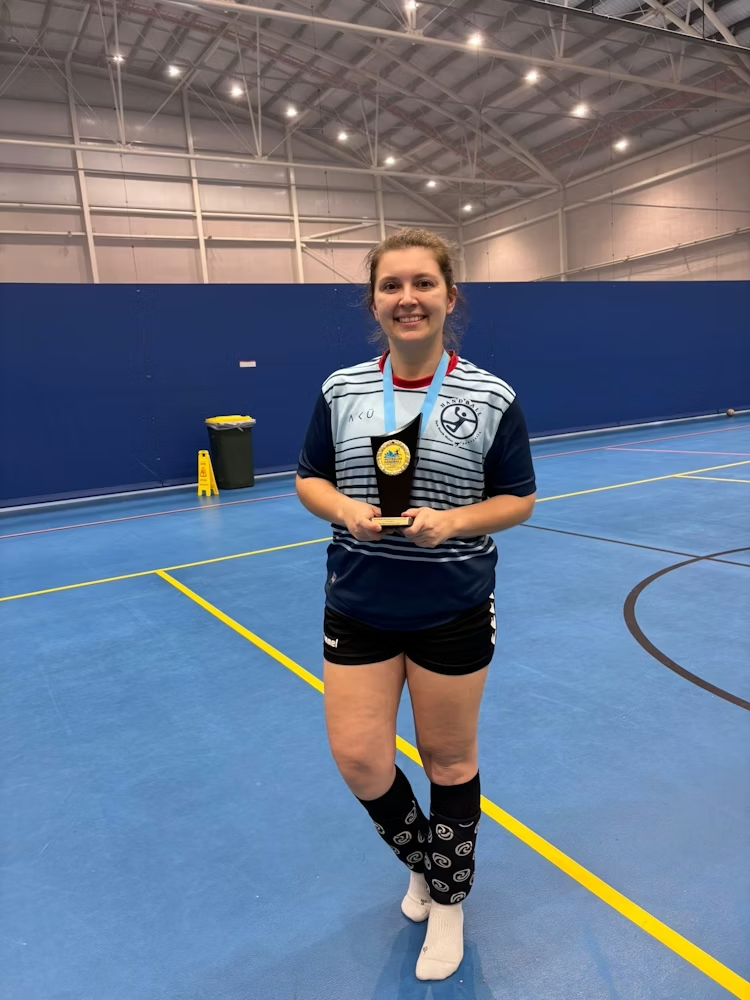
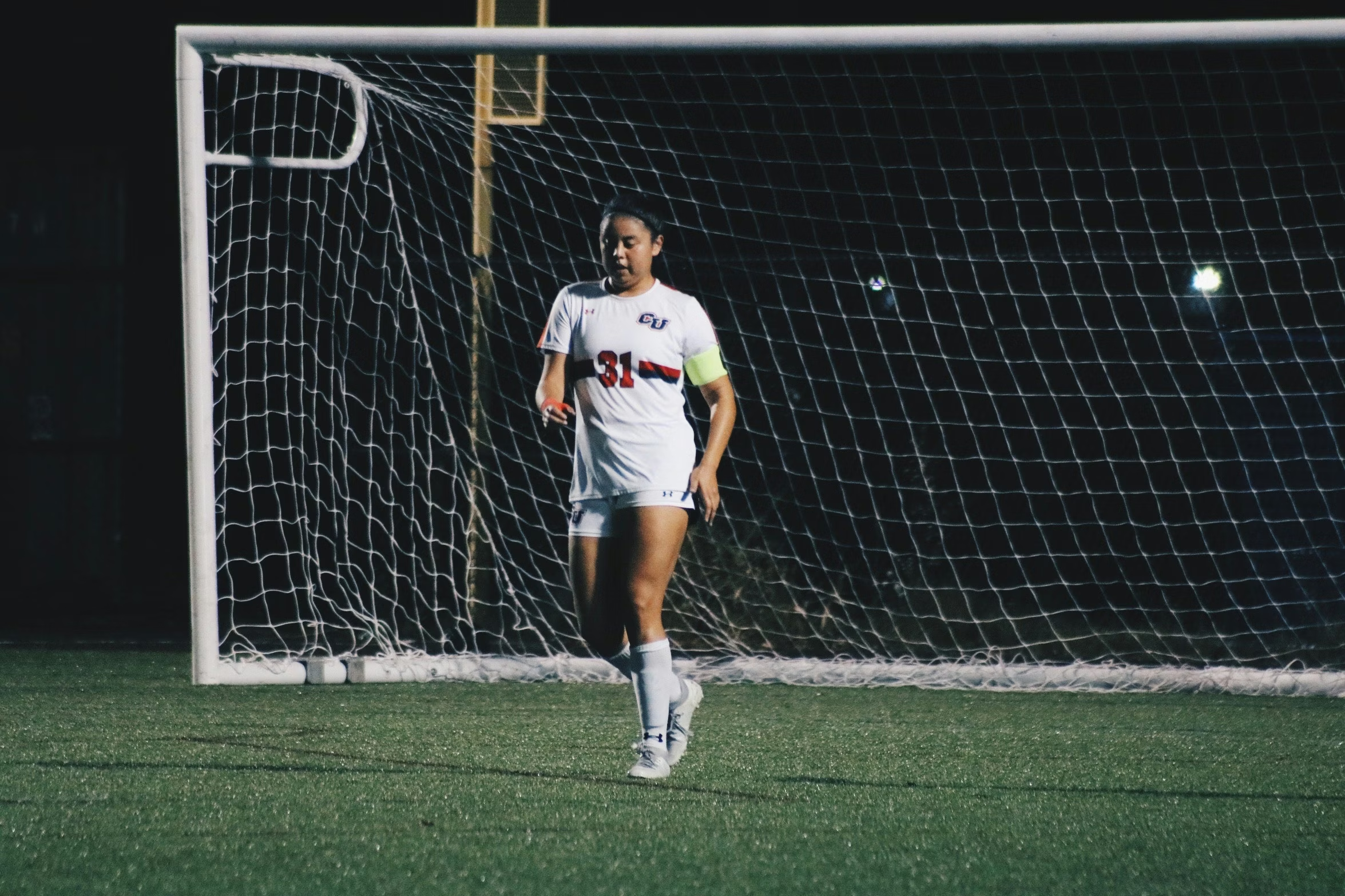
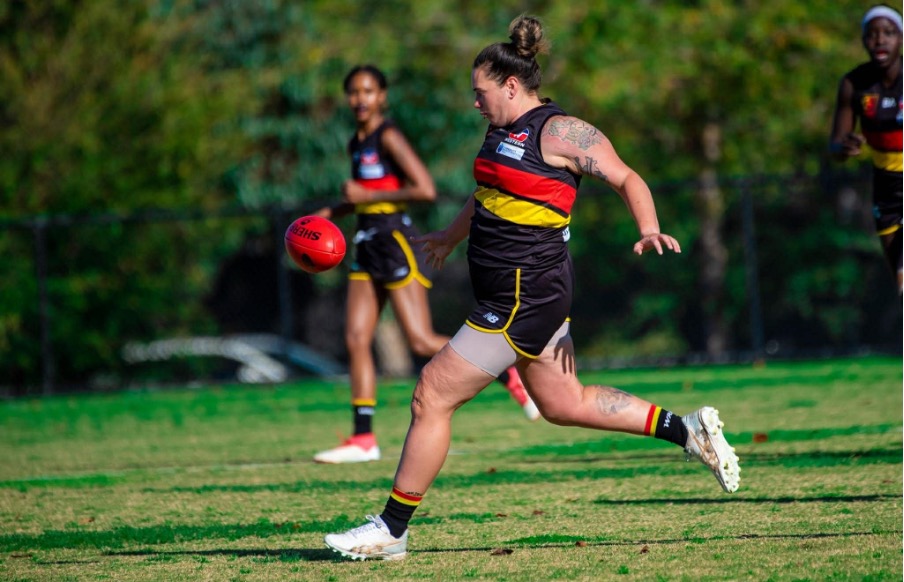
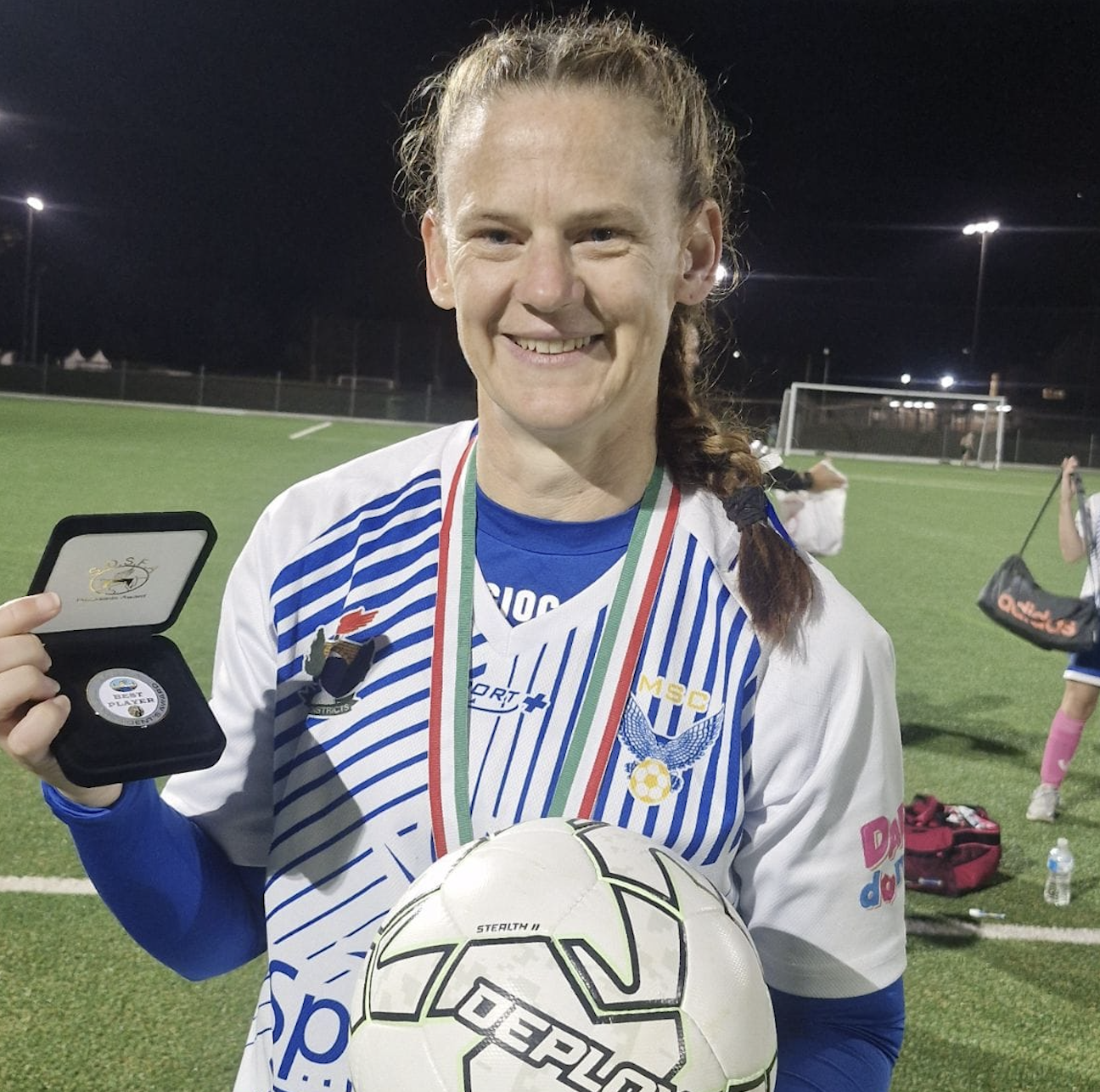
From there, my athletics journey grew into competing at multiple World Championships and the 2018 Commonwealth Games. After that time, I took a year away from athletics to reconnect with why I loved sport in the first place, which led me to football and joining the Paramatildas. I’ve now been part of that squad for the past three years.
Alongside my own sporting journey, I’ve always been passionate about giving back. I worked as a Primary School PE Specialist, and now I’m the Paralympic Pathways Coordinator at Australian Athletics. It’s a role I really value, as it allows me to help create opportunities for others to have the same positive experiences in sport that I’ve been lucky enough to have.
What inspired your passion for sport, and how has it shaped your journey?
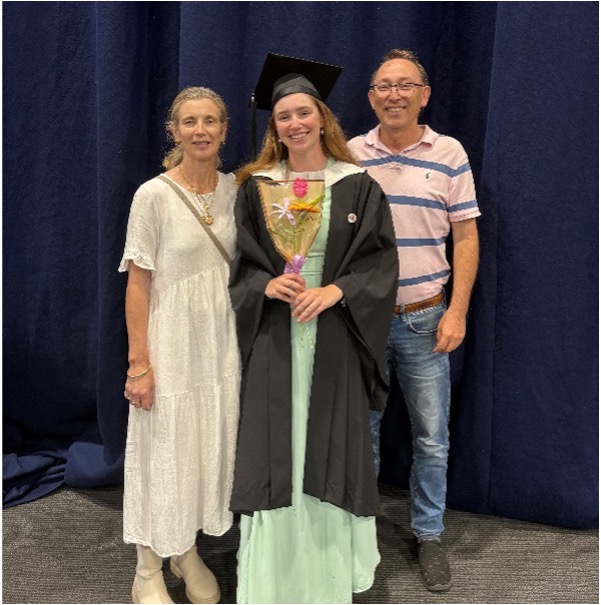
My passion for sport really started with my parents. They’ve always been incredibly active and competed at a national level, so growing up I was surrounded by that environment. They really modelled the importance of being fit, healthy, and committed.
After being diagnosed with cerebral palsy, I also had to do a lot of intervention exercises to build strength and range of movement. These sessions really sucked. They felt pretty repetitive and tough, but sport became a way to do that same work in a much more enjoyable and motivating way.
What started as something I had to do quickly became something I wanted to do. Sport gave me a sense of freedom, confidence, and belonging, and it’s really shaped my journey, not just as an athlete, but in how I approach challenges and opportunities in all areas of my life.

Can you share a standout moment or memorable experience in sport that has been a highlight for you?
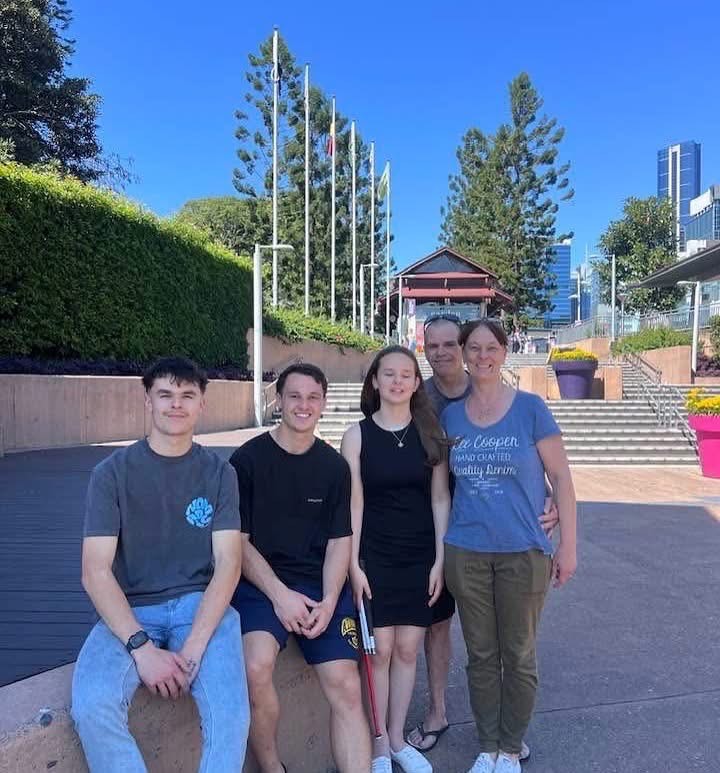
One of the most memorable moments for me wasn’t actually my own competition. It was watching my sister, who has Down syndrome, compete in her first athletics carnival. When the gun went off, she just trotted down the track with the biggest smile on her face, waving to the crowd, completely oblivious to the race.
It’s something I come back to often, especially when my own sporting environment starts to feel a bit tense or high-pressure. That moment is a really powerful reminder of the pure joy that sport can bring, and why we do it in the first place.
Have you taken on any leadership roles in sport or your community? If so, what have these experiences taught you?
I’ve been really fortunate to take on a leadership role as captain of the Paramatildas over the past few years. It’s been an incredibly rewarding experience and has taught me a lot about what leadership really looks like.
For me, it’s not about having all the answers or being the loudest voice. It’s about creating an environment where everyone feels valued, supported, and able to be their best. It’s also taught me the importance of leading by example, even when times are tough personally or as a team.
What made you decide to join the Empowered to Lead program?
I decided to join the Empowered to Lead program because I’ve had multiple opportunities to step into leadership roles at work, but I have never had a great deal of confidence in myself. When the program came up, it felt like the perfect opportunity at the right time. It gave me the chance to challenge myself, build confidence, and develop the skills I needed to develop more self-belief.
What were your expectations going into the course, and how did the experience compare?
Honestly, I went into the course with zero expectations. I thought if I could just come out of it with a little more confidence in myself, that would be a win.
But the experience gave me so much more than that. It really challenged the way I see myself as a leader, helped me build genuine self-belief, and gave me practical tools I can use every day. It ended up being far more impactful than I ever anticipated.

Was there a moment during the program that really stood out to you?
A moment that really stood out to me was when we explored our individual character strengths and how to apply them in real-life scenarios. It really highlighted that there isn’t just one type of leader. Everyone can lead in their own way by leaning into their unique strengths.
I also found it incredibly powerful hearing the stories of women from different backgrounds and stages of life. Listening to their experiences, their passion, their resilience, and the way they’ve navigated environments that haven’t always valued them was so inspiring and empowering. It really put into perspective what’s possible and reinforced the importance of backing yourself and other women.
How has the course helped you develop leadership skills and confidence?
The course really helped me develop both my leadership skills and my confidence by shifting how I see leadership. I used to think I needed to fit a certain mould, but it helped me realise that effective leadership comes from understanding and backing your own strengths.
Can you share an example of a time when you used what you learned in the program?
One example of where I applied what I learned was using my identified strength of steadiness in a conversation with a colleague who has a very dominant communication style. In the past, I might have held back or second-guessed sharing my perspective.
Instead, I approached the conversation calmly and confidently, using that steadiness to clearly communicate my opinion without feeling the need to match their intensity. It allowed me to stay grounded, contribute meaningfully, and ensure my voice was heard.
That experience really reinforced for me that leadership doesn’t have to be loud to be effective. It can be calm, consistent, and just as impactful.
What leadership lessons have you taken from sport that apply to your everyday life?

One of the biggest leadership lessons I’ve taken from sport is the importance of consistency and showing up, even when things are tough. Sport teaches you that progress isn’t always linear, and that resilience and patience are key, not just for yourself, but when supporting others as well.
Sport has also taught me the importance of perspective. It’s easy to get caught up in pressure and outcomes, but at the end of the day, remembering why you started and keeping that sense of enjoyment and purpose makes a huge difference in how you lead and show up.
What would you love to see happen in the world to create more opportunities for women and girls in sport and leadership?
I’d love to see more systems and environments that genuinely normalise women and girls being in sport and leadership roles, not as something exceptional, but as the standard.
I also think culture plays a huge role. Creating spaces where women and girls feel confident to take up space, share their voice, and lead without having to conform to a certain style of leadership is really important.
Ultimately, I’d love to see a sporting environment where opportunity isn’t limited by gender, and where talent, passion, and leadership potential are what truly define a person’s pathway.
What’s next for you? How do you plan to continue growing as a leader?

I want to keep leaning into situations that push me outside my comfort zone, especially where I need to trust my voice and decision-making.
My goal is to continue showing up more consistently and confidently as an authentic leader, while also helping create opportunities for others along the way.
And finally, what does it mean to Play Like a Girl to you?
It’s about playing with authenticity, courage, and confidence, without feeling like you need to fit into someone else’s idea of how you should look, move, or lead. It challenges outdated stereotypes and celebrates the fact that there are many different ways to be powerful, competitive, and successful.
Thank you to Gadens for making this opportunity possible and supporting women like Carly to access leadership development through the Empowered to Lead program.


.png)






.png)
.png)


.avif)


.png)
.jpg)
.jpg)


.png)
